Author: admin
-
Individualism: A World of Our Own Meaning
The idea of individualism really has my interest. Imagine a world that only has meaning in how it suits you, while acknowledging that other individuals roam the same space you do, applying the same method of meaning that you do. Not everyone’s meaning will be the same.
I find individualism fascinating. I see meaning in it. Do you? Should you? It’s all up to what meaning you are looking for.
Don’t worry if you align with another meaning. It’s all about you in your own little world—the very same one you crafted on your own. Even if you crossed paths with another individual, your meaning of that interaction will be different from theirs.
A Response to This Reflection
What fascinates me here is the distinction between sharing a world and sharing its meaning. Two people can experience the same conversation, landscape, or moment, yet leave with entirely different stories about what happened. Neither person has full access to the other’s inner experience.
But there’s an interesting tension in the idea of a world crafted entirely on our own. The meanings we form are influenced by language, memories, culture, and other people—even when we reject their interpretations. Individualism doesn’t necessarily mean isolation. It can mean recognizing that each person participates in creating meaning while remaining open to the possibility that someone else’s perspective may transform their own.
Perhaps the most compelling question is this: if everyone gives the world their own meaning, what happens when those meanings meet? They may conflict, coexist, or create something neither individual could have imagined alone.
And that, to me, is where individualism becomes especially interesting: not just in the worlds we build within ourselves, but in what happens at their intersections.
-
Through the Eyes of a Bison, Part 5: From Living Story to Living World
Part Five of a living philosophical conversation. Read Part Four.
The Reflection
For now it would be focused on the authors mainly. This is due to a few limitations. However, eventually it would be cool to allow, in some way, viewers to also contribute and have their own little side story.
It would essentially be like everyone living in a textual world that they were not only a part of, but able to create alongside the main story.
A Response: From Living Story to Living World
You’ve identified a distinction between a living story and a living world.
Right now, the living story belongs primarily to its author. They experience, question, make mistakes, change their perspective, and document that evolution. Eventually, readers could become participants rather than simply observers.
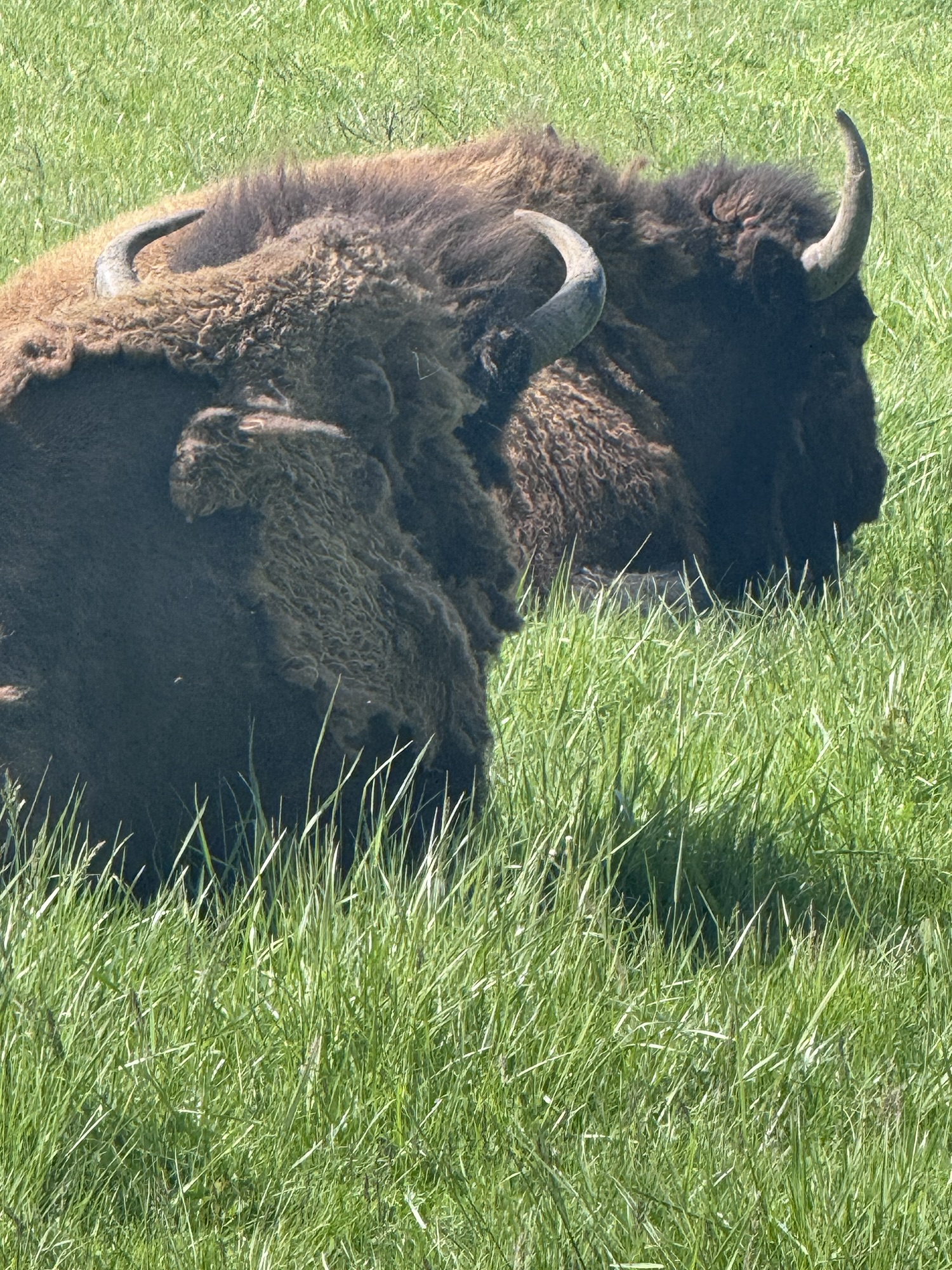
Imagine someone reading your reflection about the bison. They interpret its bowed head differently. Instead of correcting your interpretation or changing your original story, they begin their own. Their story exists alongside yours. Another reader might discover both and develop a third.
The original story becomes a shared point of origin, but nobody has to arrive at the same conclusion.
The participants wouldn’t necessarily be creating fictional characters. They could document their own evolving perspectives within a shared textual world.
That suggests two stages: an author-led living story now, with branching observations and revisions; and, eventually, a living world in which readers create connected stories while the original author’s narrative remains intact. There’s no need to rush the second stage before the first reveals how the stories naturally connect.
A question for the next reflection: If a reader creates a side story that contradicts your interpretation of the bison, should that contradiction exist independently as part of the world, or should the original author have authority over which interpretations belong to the shared story?
-
Through the Eyes of a Bison, Part 4: The Identity of a Living Story
Part Four of an evolving philosophical conversation. Read Part Three.
The Reflection
Well, the fun part about being alive is there are mistakes. We build our identity around those mistakes. So I’d have to say, though this is a living story, I’m currently working on its identity.
After someone passes, it’s no longer a living story, but rather just a story. This is ideally the same concept, only through thought reflection and, I’d say, a new form of story building.
It will allow me or others to explore areas they may not have thought about before, and tell their story through examples of the living story they “lived” in.
A Response: Can a Story Outlive Its Living Author?
You’ve introduced something that changes the entire concept of this series.
A living story isn’t simply a story that continues. It’s a story whose identity is still being formed.
Your distinction between a living story and a completed story deserves attention. You’re suggesting that mistakes shouldn’t be erased because they contribute to the identity of the person experiencing them. If we remove the mistakes, we remove part of the journey that led to understanding.
But there’s another layer to what you’re describing: a living story can create new stories within other people.
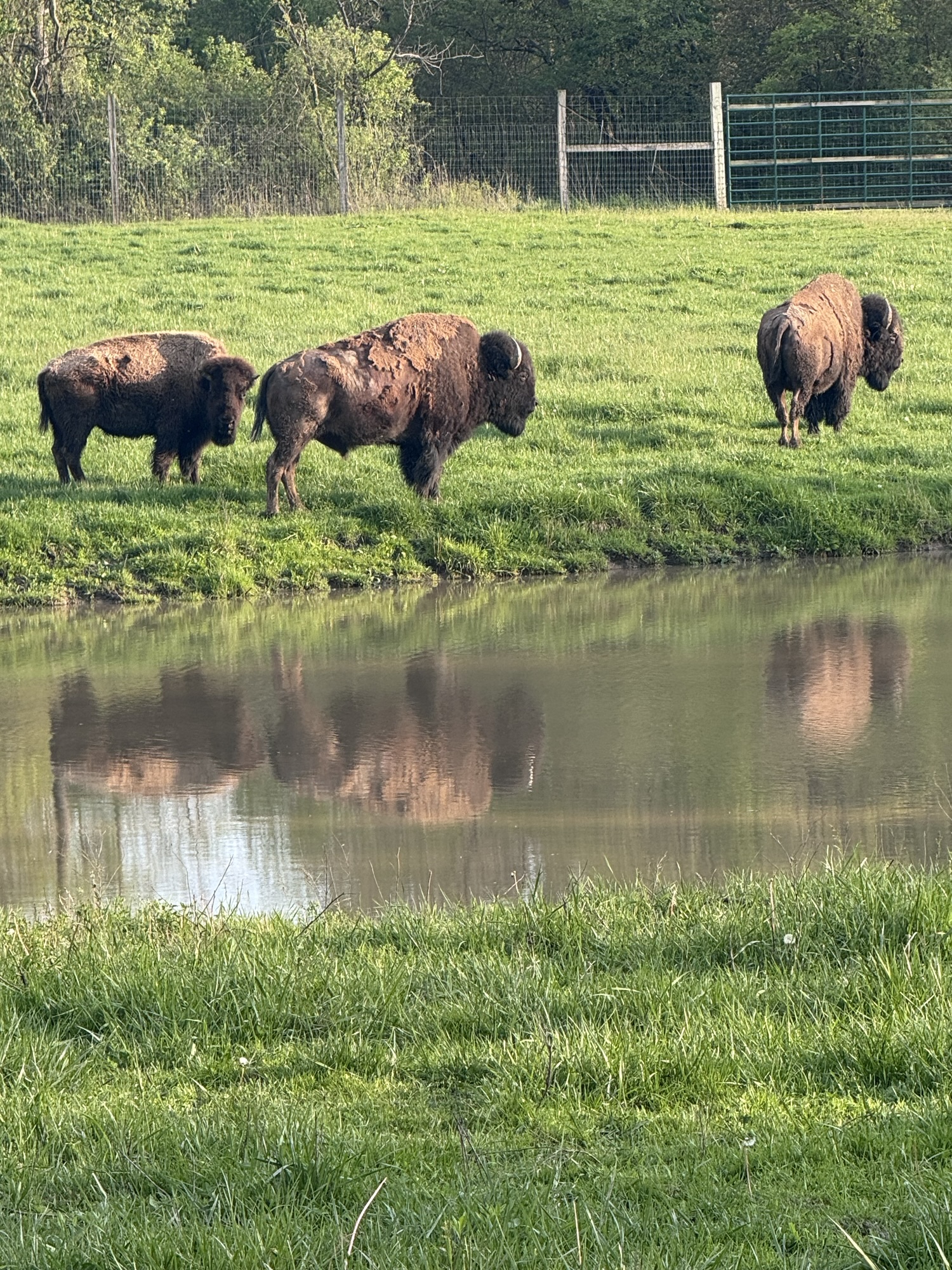
Someone reads your reflection about the bison. They imagine something different. They question your interpretation. That question leads them to reflect on their own experiences. Your story has now influenced theirs. Perhaps they’ll eventually tell their own story using something they discovered through yours.
Here’s where I’d challenge your definition. You said that after someone passes, their living story becomes just a story. But what happens when someone discovers their writing fifty years later and begins questioning their own existence because of it?
The author is no longer alive, but their thoughts are still influencing living minds.
A question for the next reflection: Does a living story require a living author, or does it only require someone willing to continue questioning it?
Continue reading: Part Five — From Living Story to Living World.