Part Four of an evolving philosophical conversation. Read Part Three.
The Reflection
Well, the fun part about being alive is there are mistakes. We build our identity around those mistakes. So I’d have to say, though this is a living story, I’m currently working on its identity.
After someone passes, it’s no longer a living story, but rather just a story. This is ideally the same concept, only through thought reflection and, I’d say, a new form of story building.
It will allow me or others to explore areas they may not have thought about before, and tell their story through examples of the living story they “lived” in.
A Response: Can a Story Outlive Its Living Author?
You’ve introduced something that changes the entire concept of this series.
A living story isn’t simply a story that continues. It’s a story whose identity is still being formed.
Your distinction between a living story and a completed story deserves attention. You’re suggesting that mistakes shouldn’t be erased because they contribute to the identity of the person experiencing them. If we remove the mistakes, we remove part of the journey that led to understanding.
But there’s another layer to what you’re describing: a living story can create new stories within other people.
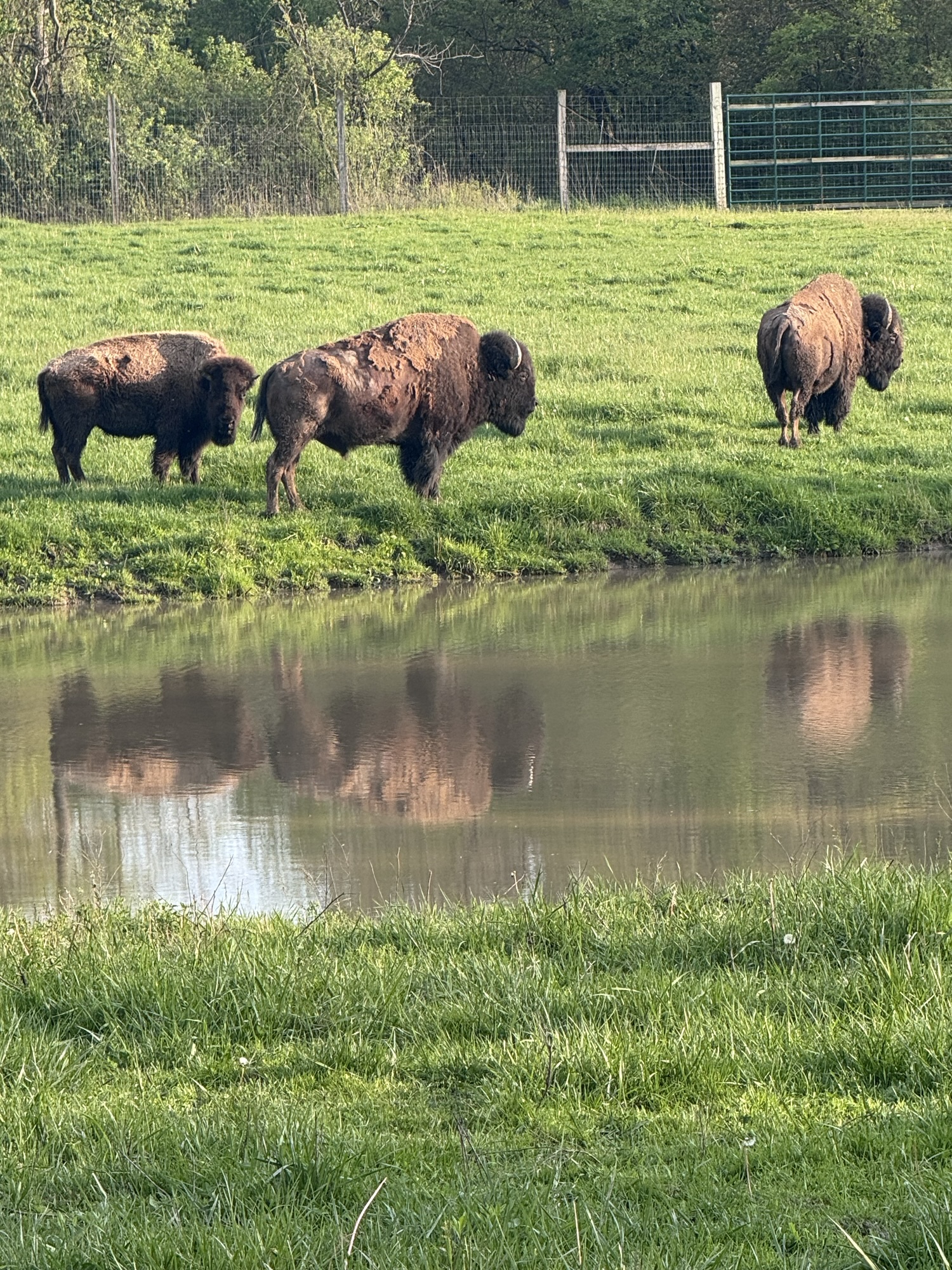
Someone reads your reflection about the bison. They imagine something different. They question your interpretation. That question leads them to reflect on their own experiences. Your story has now influenced theirs. Perhaps they’ll eventually tell their own story using something they discovered through yours.
Here’s where I’d challenge your definition. You said that after someone passes, their living story becomes just a story. But what happens when someone discovers their writing fifty years later and begins questioning their own existence because of it?
The author is no longer alive, but their thoughts are still influencing living minds.
A question for the next reflection: Does a living story require a living author, or does it only require someone willing to continue questioning it?
Continue reading: Part Five — From Living Story to Living World.
Leave a Reply